Produced by
 Jack Antonoff
 Taylor Swift
Statistics
Fan FavoriteSpotify Streams
310M
Billboard Hot 100
#10
BPM
96
Duration
3:51
Energy Level
4/10
Mood
Production Style
Themes
Rate This Track
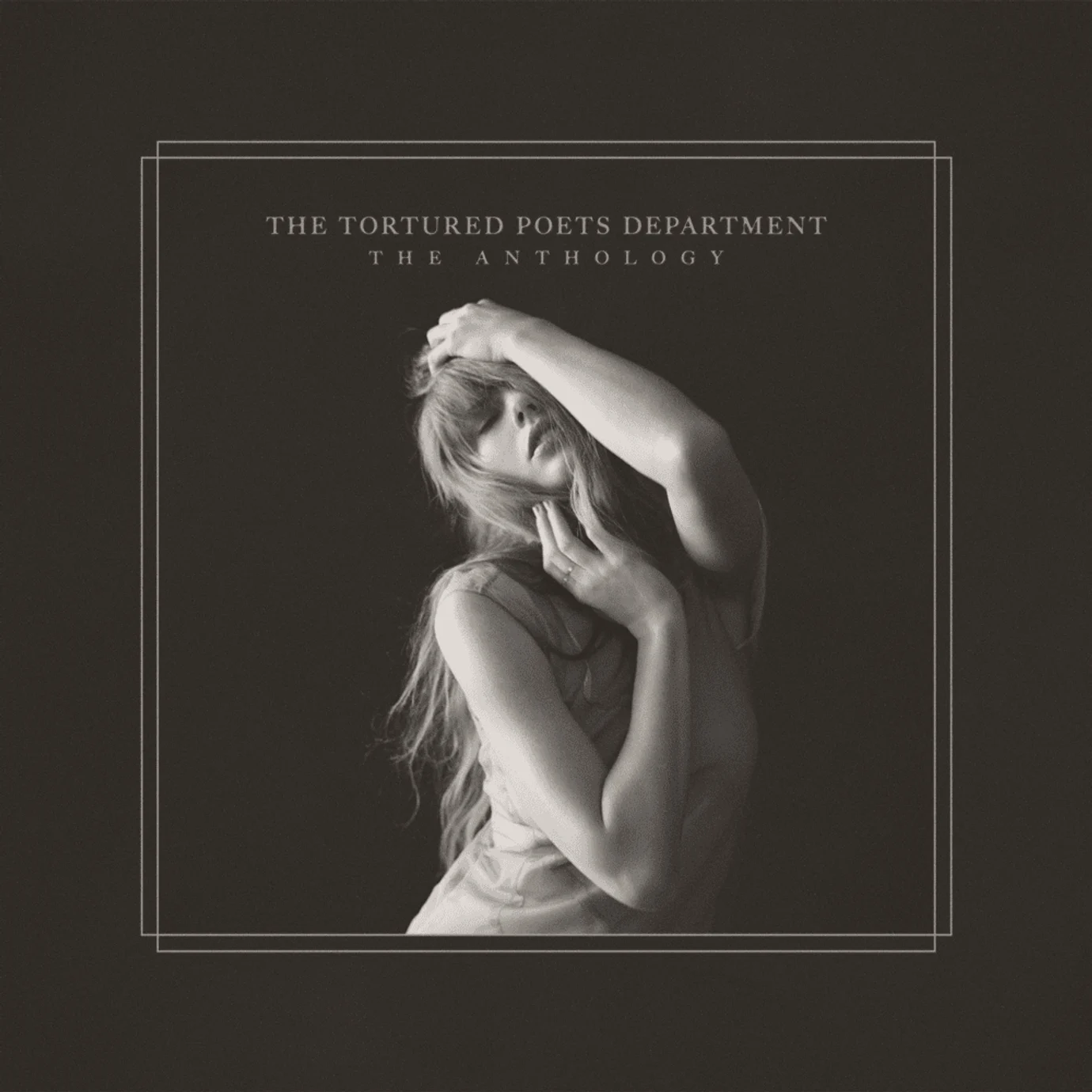
The closing track of TTPD's standard edition, 'Clara Bow' draws a line through three generations of female entertainers — silent-film star Clara Bow, Stevie Nicks in 1975, and Taylor herself — to examine how the industry cycles through women, replacing each with the next. Taylor has said the song was inspired by record-label executives who would tell stories of new female artists as 'the new replacement' for former stars.
The men in suits in Los Angeles telling the narrator she looks like Clara Bow and Stevie Nicks reduces the entertainment industry's treatment of women to its most transactional: you are valuable only insofar as you remind someone of the last woman they used up.
Song Analysis
Background
The closing track of TTPD's standard edition, 'Clara Bow' draws a line through three generations of female entertainers — silent-film star Clara Bow, Stevie Nicks in 1975, and Taylor herself — to examine how the industry cycles through women, replacing each with the next. Taylor has said the song was inspired by record-label executives who would tell stories of new female artists as 'the new replacement' for former stars.
Meaning & Interpretation
The song argues that Hollywood's treatment of women is not a series of individual tragedies but a system: each generation produces an 'It girl' who is elevated, consumed, and discarded to make room for the next. By placing herself at the end of a line that includes Clara Bow and Stevie Nicks, Taylor simultaneously claims her place in that lineage and warns that the same machine that made her will eventually try to replace her. The song is elegiac but not defeated — naming the pattern is the first step toward refusing to repeat it.
Notable Moments
The men in suits in Los Angeles telling the narrator she looks like Clara Bow and Stevie Nicks reduces the entertainment industry's treatment of women to its most transactional: you are valuable only insofar as you remind someone of the last woman they used up.
Ending the standard edition with this song frames the entire album as Taylor's attempt to write herself out of the replacement cycle — to become permanent through art rather than disposable through fame.
Cultural Impact
Taylor performed a mashup of 'Clara Bow' and 'The Lucky One' at her Dublin Eras Tour show, dedicating it to Stevie Nicks who was in the audience — a moment that literalized the song's generational chain of women in music.
Did You Know
Both Clara Bow and Taylor Swift left small towns to pursue their dreams at sixteen and endured intense public scrutiny at the height of their fame — Bow ultimately retired in 1930 due to media pressure, a parallel the song quietly invokes.
🔥Trending Takes
Takes
Samples
No samples on this track.
More from The Tortured Poets Department
- 1Fortnight★
- 2The Tortured Poets Department
- 3My Boy Only Breaks His Favorite Toys
- 4Down Bad
- 5So Long, London
- 6But Daddy I Love Him
- 7Fresh Out the Slammer
- 8Florida!!!
- 9Guilty as Sin?
- 10Who's Afraid of Little Old Me?
- 11I Can Fix Him (No Really I Can)
- 12loml
- 13I Can Do It With a Broken Heart
- 14The Smallest Man Who Ever Lived
- 15The Alchemy
- 17The Black Dog
- 18imgonnagetyouback
- 19The Albatross
- 20Chloe or Sam or Sophia or Marcus
- 21How Did It End?
- 22So High School
- 23I Hate It Here
- 24thanK you aIMee
- 25I Look in People's Windows
- 26The Prophecy
- 27Cassandra
- 28Peter
- 29The Bolter
- 30Robin
- 31The Manuscript
You Might Also Like
The Lucky One
Red
The Lucky One (Taylor's Version)
Red (Taylor's Version)
The Fate of Ophelia
The Life of a Showgirl
Nothing New
Red (Taylor's Version)
Blank Space
1989
Blank Space (Taylor's Version)
1989 (Taylor's Version)