Produced by
 Jack Antonoff
 Taylor Swift
Statistics
Fan FavoriteSpotify Streams
340M
Billboard Hot 100
#11
BPM
96
Duration
4:18
Energy Level
5/10
Mood
Production Style
Themes
Rate This Track
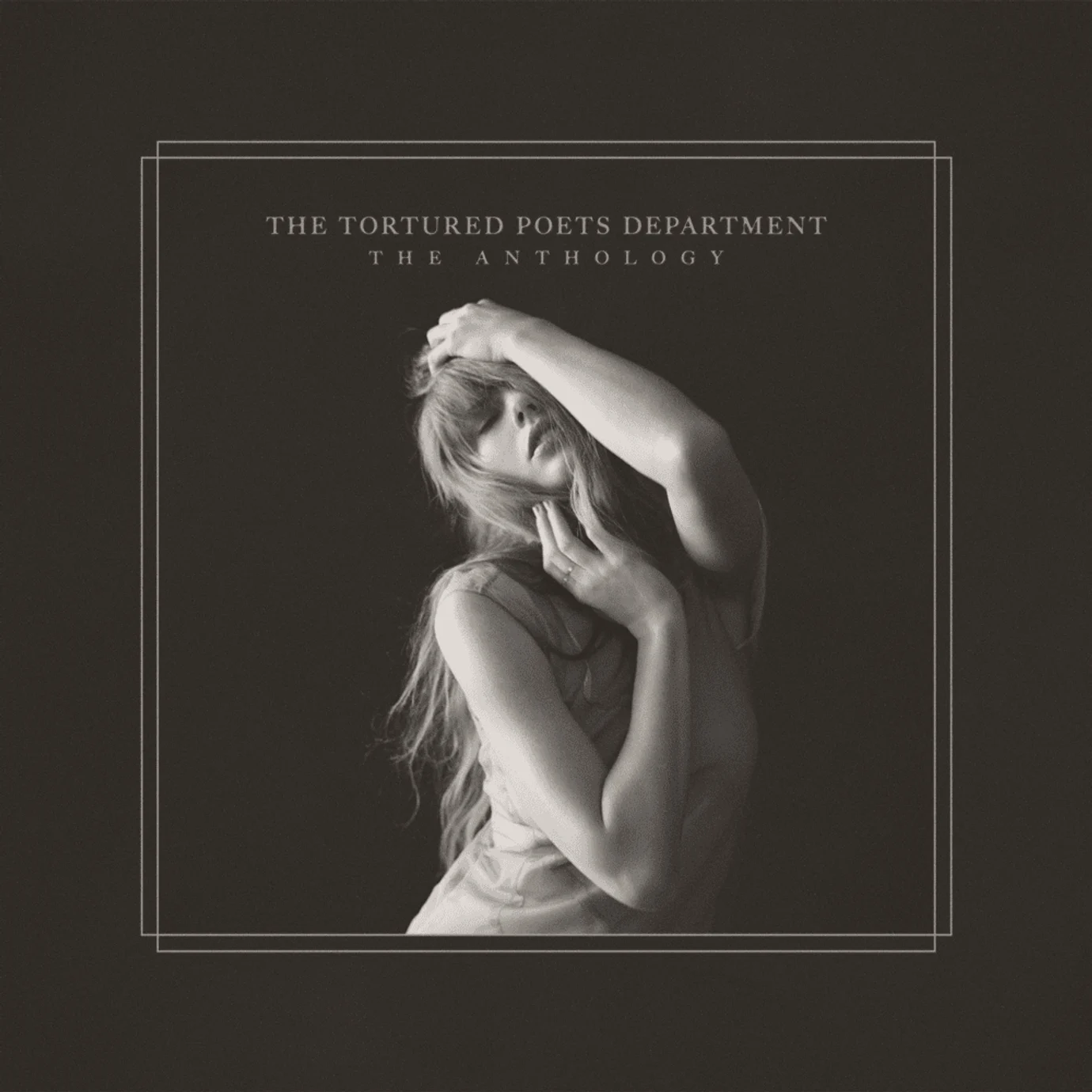
One of TTPD's most philosophically charged tracks, 'Guilty as Sin?' explores the question of whether wanting someone — without ever acting on it — constitutes a transgression. The song weaves religious imagery throughout, turning biblical symbolism into a framework for examining desire, restraint, and public judgment.
The question of whether something written 'only in my mind' can constitute a genuine transgression gives the song its philosophical weight — the gap between fantasy and action is where the entire emotional drama lives.
Song Analysis
Background
One of TTPD's most philosophically charged tracks, 'Guilty as Sin?' explores the question of whether wanting someone — without ever acting on it — constitutes a transgression. The song weaves religious imagery throughout, turning biblical symbolism into a framework for examining desire, restraint, and public judgment.
Meaning & Interpretation
The central question is deceptively simple: can thoughts alone make you guilty? The narrator fantasizes about someone while still in a relationship, and the guilt feels as real as any physical act. The scarlet-letter imagery and crucifixion references suggest that the public will condemn her regardless of what she actually does — the desire itself is the sin in the court of public opinion. The song's power comes from refusing to resolve the question: it neither justifies the longing nor apologizes for it.
Notable Moments
The question of whether something written 'only in my mind' can constitute a genuine transgression gives the song its philosophical weight — the gap between fantasy and action is where the entire emotional drama lives.
The religious imagery of crucifixion and scarlet letters frames romantic desire as something subject to the harshest possible moral judgment, which is both the narrator's fear and the culture's actual practice.
Did You Know
Fans identified a reference to The Blue Nile — a Scottish band that Matty Healy has called his 'favorite band of all time' — as one of the song's most specific Easter eggs pointing to its likely subject.
🔥Trending Takes
Takes
Samples
No samples on this track.
More from The Tortured Poets Department
- 1Fortnight★
- 2The Tortured Poets Department
- 3My Boy Only Breaks His Favorite Toys
- 4Down Bad
- 5So Long, London
- 6But Daddy I Love Him
- 7Fresh Out the Slammer
- 8Florida!!!
- 10Who's Afraid of Little Old Me?
- 11I Can Fix Him (No Really I Can)
- 12loml
- 13I Can Do It With a Broken Heart
- 14The Smallest Man Who Ever Lived
- 15The Alchemy
- 16Clara Bow
- 17The Black Dog
- 18imgonnagetyouback
- 19The Albatross
- 20Chloe or Sam or Sophia or Marcus
- 21How Did It End?
- 22So High School
- 23I Hate It Here
- 24thanK you aIMee
- 25I Look in People's Windows
- 26The Prophecy
- 27Cassandra
- 28Peter
- 29The Bolter
- 30Robin
- 31The Manuscript
You Might Also Like
Out of the Woods
1989
Out of the Woods (Taylor's Version)
1989 (Taylor's Version)

The Archer
Lover
Afterglow
Lover
peace
Folklore
Labyrinth
Midnights