Produced by
 Aaron Dessner
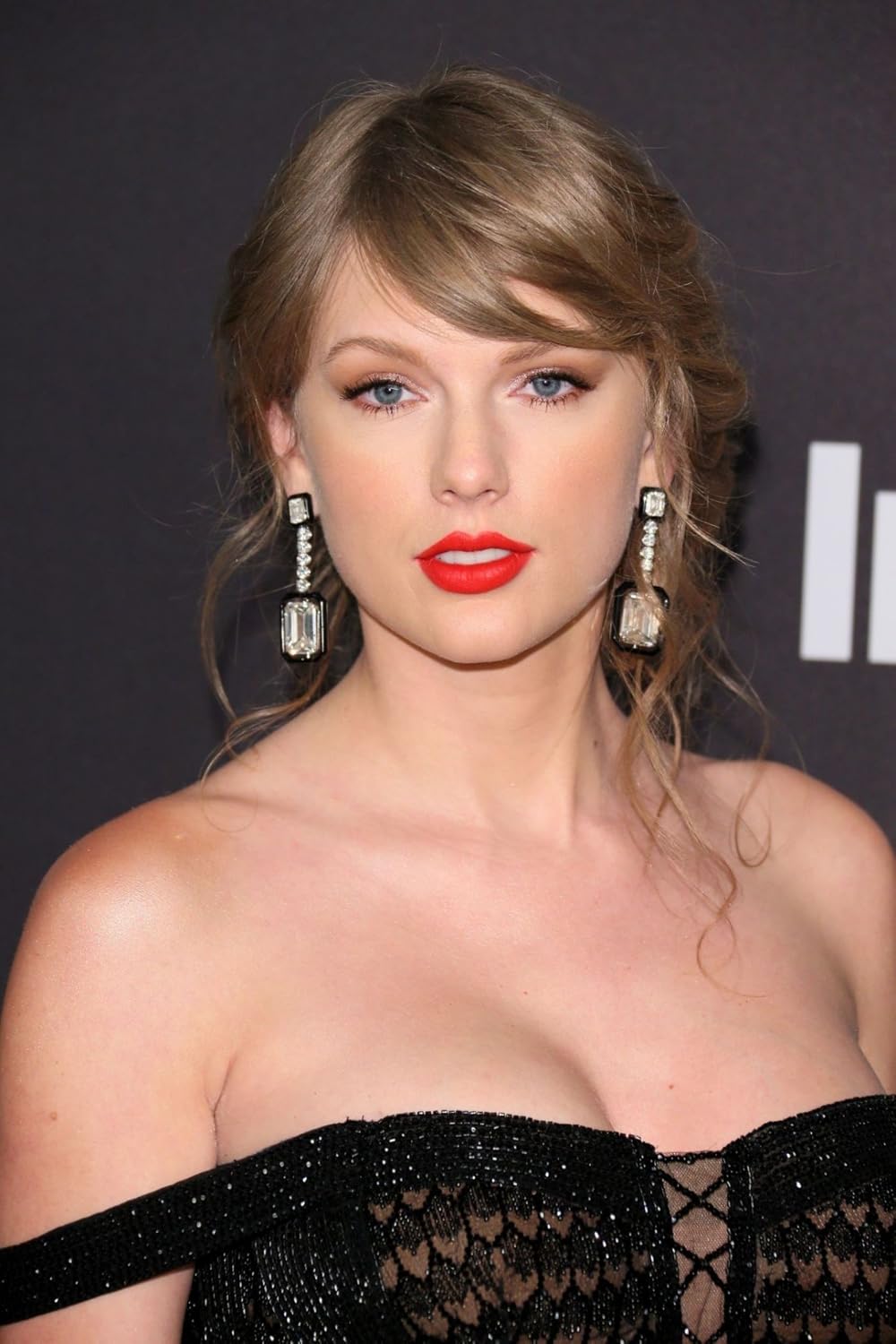 Taylor Swift
Statistics
Deep CutSpotify Streams
160M
BPM
88
Duration
2:58
Energy Level
3/10
Mood
Production Style
Themes
Rate This Track
Drawing on two major literary sources — Samuel Taylor Coleridge's 'The Rime of the Ancient Mariner' and Charles Baudelaire's poem 'L'Albatros' — the track uses the albatross as a multilayered symbol. In Coleridge, the albatross is an innocent creature whose killing curses the ship; in Baudelaire, the albatross represents the poet mocked by society. Taylor weaves both references into a song about being perceived as a burden or bad omen by the people surrounding her romantic relationships.
The shift from third-person warning to first-person rebuttal is the song's structural coup — the very voice that was narrating her as a curse becomes the voice that refuses the framing.
Song Analysis
Background
Drawing on two major literary sources — Samuel Taylor Coleridge's 'The Rime of the Ancient Mariner' and Charles Baudelaire's poem 'L'Albatros' — the track uses the albatross as a multilayered symbol. In Coleridge, the albatross is an innocent creature whose killing curses the ship; in Baudelaire, the albatross represents the poet mocked by society. Taylor weaves both references into a song about being perceived as a burden or bad omen by the people surrounding her romantic relationships.
Meaning & Interpretation
The song begins in the third person, adopting the voice of critics and tabloids warning Taylor's new partner about the dangers of being with her — she is the albatross, the curse, the reason things go wrong. But the narrative perspective shifts crucially: by the bridge, Taylor switches to first person and dismantles the warning entirely. The albatross was never the curse — those who tried to kill it cursed the ship. The song argues that the people who framed Taylor as toxic were themselves the source of the poison. It is a defense of her own presence in someone's life and a rebuttal to the femme-fatale narrative that has followed her career.
Notable Moments
The shift from third-person warning to first-person rebuttal is the song's structural coup — the very voice that was narrating her as a curse becomes the voice that refuses the framing.
An invocation of the ancient mariner's guilt applies not to the narrator but to those who tried to remove her — reversing the expected application of the metaphor.
The closing promise to remain despite the warnings transforms the albatross from burden to loyalty.
Cultural Impact
The track sent listeners to their English literature notes, with Coleridge and Baudelaire trending on social media after the album's release. It became one of the most analyzed Anthology tracks for its layered literary references.
Personal Connection
Taylor's career-long experience of being cast as the villain in her own romantic narratives — from the serial-dater framing of her early career to the Kanye West saga — gives the albatross metaphor genuine biographical weight.
Did You Know
Some fans theorized the song was specifically about protecting her relationship with Travis Kelce from the same media scrutiny that had damaged previous relationships — the albatross who refuses to let the ship be cursed this time.
🔥Trending Takes
Takes
Samples
No samples on this track.
More from The Tortured Poets Department
- 1Fortnight★
- 2The Tortured Poets Department
- 3My Boy Only Breaks His Favorite Toys
- 4Down Bad
- 5So Long, London
- 6But Daddy I Love Him
- 7Fresh Out the Slammer
- 8Florida!!!
- 9Guilty as Sin?
- 10Who's Afraid of Little Old Me?
- 11I Can Fix Him (No Really I Can)
- 12loml
- 13I Can Do It With a Broken Heart
- 14The Smallest Man Who Ever Lived
- 15The Alchemy
- 16Clara Bow
- 17The Black Dog
- 18imgonnagetyouback
- 20Chloe or Sam or Sophia or Marcus
- 21How Did It End?
- 22So High School
- 23I Hate It Here
- 24thanK you aIMee
- 25I Look in People's Windows
- 26The Prophecy
- 27Cassandra
- 28Peter
- 29The Bolter
- 30Robin
- 31The Manuscript